Prepaid eSIM Plans: The Ultimate Guide to Flexible Global Connectivity
A prepaid eSIM is a digital SIM card you buy and activate online before traveling, removing the need for a physical card. This means you can choose and pay for a data plan upfront, avoiding unexpected roaming charges. To use it, you simply scan a QR code or install a profile, getting connected the moment you arrive.
Understanding the Modern Travel Essential
Understanding the modern travel essential means realizing that a prepaid eSIM is not just an alternative to physical SIM cards—it’s a complete upgrade in convenience. Instead of hunting for local shops or swapping tiny cards, you scan a QR code before departure and arrive connected. This is especially vital for short trips, where every minute counts. You can often install and activate the eSIM over Wi-Fi before you even leave home, meaning your phone works the moment you land. No airport kiosks, no roaming fees, no juggling multiple numbers. For the modern traveler, a prepaid eSIM simply makes connectivity effortless.
Why Digital SIM Card Plans Are Gaining Global Popularity
Digital SIM card plans are gaining global popularity because they let you skip the airport kiosk scramble for a local SIM. Instead of hunting for a tiny plastic card, you buy a prepaid eSIM online before your trip. You scan a QR code, install the profile, and you’re connected within minutes. This removes the hassle of swapping physical SIMs and losing your home number. Since you can activate data from a single dashboard, managing connectivity across borders feels effortless. Travelers appreciate having reliable data without hunting for a store—just a few taps, and you’re Singapore eSIM online instantly.
Key Factors Driving Adoption Among Frequent Travelers
For frequent travelers, the primary adoption driver is the elimination of physical SIM swapping and the risk of losing a tiny card while juggling multiple itineraries. The ability to preload multiple data plans before departure removes the scramble for local kiosks upon arrival, saving critical time between flights. Cost predictability also matters; travelers avoid surprise roaming bills by purchasing fixed-allowance packages tailored to trip duration. Switching between regional profiles on a single device feels seamless, but requires checking device compatibility beforehand. Convenience is further solidified by instant activation upon landing, bypassing queuing and language barriers at foreign airports.
Frequent travelers adopt prepaid eSIM primarily for seamless connectivity across borders, elimination of physical SIM logistics, and predictable data costs without roaming hassles.
How It Differs From Traditional Physical SIM Cards
Unlike a physical SIM, a prepaid eSIM eliminates the need to source, insert, or swap a plastic card. You activate a travel plan instantly by scanning a QR code or downloading a profile, bypassing the hunt for local shops or payphones. A traditional SIM locks you into one carrier physically; an eSIM stores multiple profiles, letting you switch between data plans or keep your home number live for calls. There are no fragile cards to lose or ejector tools needed. Instant digital activation turns a clunky hardware step into a seamless, software-driven process.
A prepaid eSIM removes the physical card, manual swapping, and carrier lock-in entirely, replacing them with immediate digital activation and multi-plan storage.

Selecting the Right Plan for Your Journey
When selecting the right plan for your journey with a prepaid eSIM, prioritize data volume over duration. A short trip to a city with free Wi-Fi requires a small 1GB plan, while a two-week road trip across multiple zones demands an unlimited or 5GB+ regional package to avoid throttling. Always check if your destinations are covered by a single regional plan—covering ten countries for $30 often beats buying three separate local plans.
For multi-stop trips, a regional data pass is almost always cheaper than stacking individual country eSIMs.
Match your browsing habits precisely: streaming and maps eat gigabytes fast, so choose a larger tier for peace of mind rather than risking top-ups mid-journey.
Matching Data Allowance to Your Travel Patterns
To avoid overpaying, match your prepaid eSIM data allowance to your actual travel patterns. A light user who needs navigation and messaging for a weekend trip can select a 1GB plan. Conversely, heavy users streaming video or working remotely daily should opt for unlimited or 10GB+ allowances. Consider your itinerary: a city break with constant map use requires more data than a resort stay with Wi-Fi. Analyze past roaming usage as a baseline, and prioritize a plan slightly larger than your estimated need to avoid costly data top-ups during your journey.
Evaluating Network Coverage Across Different Regions
When selecting a prepaid eSIM, evaluate network coverage across your planned regions by consulting provider-specific coverage maps rather than generic mobile network maps. Check if the eSIM uses a single local carrier or dynamically switches between multiple networks, as this affects reliability in rural or remote zones. Prioritize eSIMs offering regional coverage verification tools that allow zip-code or city-level checks for your exact stops.
Effective coverage evaluation requires comparing carrier-specific maps and multi-network roaming options for each region on your route, not just relying on advertised country-wide claims.
Checking Device Compatibility and eSIM Support
Before purchasing any prepaid eSIM, you must first verify device compatibility with eSIM technology. This is not automatic; many older or region-specific models lack the necessary embedded chip. Check your phone’s IMEI against the provider’s whitelist or look for an “Add Cellular Plan” option in your settings. Some carriers also require your device to be factory-unlocked, not merely carrier-unlocked. Additionally, confirm that the prepaid eSIM supports your smartphone’s specific bands, as a compatible slot does not guarantee a stable network connection. Skipping this step risks buying a plan your device cannot use, turning your journey into a connectivity headache.
Activation and Setup Without the Hassle
Activating a prepaid eSIM is refreshingly simple, eliminating the wait for a physical card. You purchase a plan online, and the setup is instantaneous: a QR code or app link sends the profile directly to your device. No need to visit a store, fumble with a SIM tray, or enter complex codes. Within minutes, your phone connects to the local network, sidestepping roaming fees and bureaucracy. This hassle-free approach lets you switch carriers or add a data-only line for travel without interrupting your primary number. The entire process—from payment to active data—takes only a few taps, making connectivity immediate and genuinely straightforward.
Step-by-Step Guide to Installing a Digital Profile
Begin by purchasing a prepaid eSIM plan from a provider’s website or app, receiving a QR code or activation link. Scan this code via your device’s “Add Cellular Plan” under Settings, or manually enter the SM-DP+ address and confirmation code if prompted. Download the digital profile over a stable Wi-Fi connection to avoid data charges. Once installed, label the line (e.g., “Travel”) and set it as your primary data source. Verify network registration by toggling cellular data off and on after installation.
- Ensure your device is unlocked and supports eSIM functionality before scanning.
- Do not delete the original QR code email until the profile is confirmed active.
- If the profile fails to download, restart the device and retry the activation steps.
Managing Multiple Plans on a Single Device
A key advantage of prepaid eSIM is the ability to store multiple plans on one device, eliminating the need to swap physical cards. You can assign a primary line for local calls and a secondary data-only eSIM for travel. Switching between these profiles is done directly in the device’s settings, often with a simple toggle. This setup allows you to keep a home number active while using a local data plan abroad, avoiding roaming fees. Managing multiple eSIM profiles on a single device requires initial activation of each plan, after which you can label and enable them as needed.
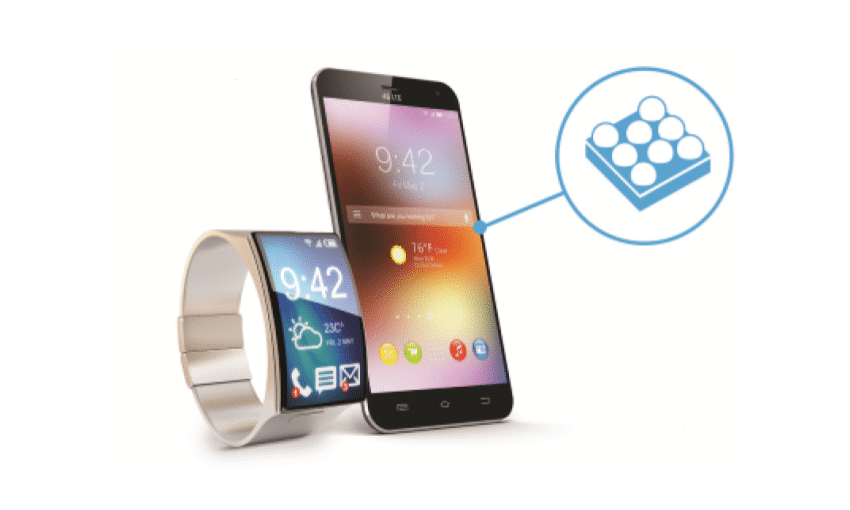
Multiple prepaid eSIM plans can be stored, labeled, and activated instantly on one device without requiring physical SIM swaps.
Troubleshooting Common Activation Glitches
When a prepaid eSIM fails to activate, first verify the device is connected to stable Wi-Fi; cellular data cannot be used during the initial profile download. If the QR code scann fails, manually enter the SM-DP+ address and activation code provided by the carrier. For pending activation, restart the device and ensure the eSIM line is toggled “On” in cellular settings. If the profile appears but no service exists, confirm the APN settings match the carrier’s exact specifications. A common sequence for resolving network registration errors is:
- Remove and re-add the eSIM profile via the carrier app.
- Reset network settings (this erases saved Wi-Fi networks).
- Contact the carrier to verify the IMEI is whitelisted and the eSIM slot is unlocked.
Cost Comparison and Hidden Savings
When you swipe through the digital checkout for a prepaid esim, the upfront price tag looks higher than your local carrier’s subsidized plan. But the hidden savings sneak in later: no activation fees, no roaming surcharges when you land in a different country, and zero penalty for canceling mid-cycle. I remember buying a 30-day global prepaid esim for $25, then realizing my old provider had charged $12 per day for the same trip. The real saving wasn’t the $5 difference—it was avoiding the $120 surprise bill from daily roaming charges I’d always accepted as normal. That’s the cost comparison most miss: not the plan price, but the expenses you never trigger because the prepaid esim is already paid off.
Analyzing Per-Gigabyte Rates Across Providers
When analyzing per-gigabyte rates across providers for prepaid eSIMs, don’t be misled by a cheap total package price. Divide the total cost by the data allowance to reveal the true per-GB value—a $20 plan for 10GB is $2.00/GB, while a $15 plan for 5GB is $3.00/GB. Smaller regional plans often have hidden high per-GB costs, whereas global providers frequently offer bulk discounts that lower your effective rate. Always recalculate the per-GB rate after any promo or renewal discount, and compare the same data tier across competitors to uncover real savings.
- Divide total plan cost by data allowance to find the true per-GB rate.
- Beware of small data packs that can be 3x more expensive per GB than larger ones.
- Check if the per-GB rate drops significantly when buying multi-region or long-term plans.
- Recalculate per-GB costs after any introductory offer ends to avoid hidden increases.
Avoiding Roaming Fees and Unexpected Charges
The most direct financial advantage of a prepaid eSIM is eliminating surprise roaming fees. Unlike postpaid plans, which bill per megabyte or minute abroad, a prepaid eSIM requires upfront payment for a specific data package. This forces precise budgeting, as the provider cannot issue overage charges. You control the exact cost before crossing a border, and your service simply stops when data runs out, preventing accidental exorbitant bills.
- Purchase a local or regional prepaid eSIM plan before departure to lock in a fixed data rate.
- Disable your primary SIM’s data roaming in device settings to prevent background app usage from incurring charges.
- Monitor your remaining data through the eSIM provider’s app to top up only when necessary, avoiding automatic refills.
When Bundled Packages Offer Better Value
When comparing prepaid eSIM costs, bundled packages offer better value for travelers needing data across multiple destinations. A global or regional plan with a fixed data allowance often costs less per gigabyte than purchasing separate local eSIMs for each country. This regional data bundle pricing eliminates the need to top up different accounts mid-trip. Bundles also typically include service for varying durations, from a week to a month, which can align precisely with a multi-stop itinerary.
- Grouping several nearby countries into one regional plan avoids separate activation fees per destination.
- Bundled data allowances prevent paying for unused bytes by allocating a shared pool across your entire trip.
- Fixed-price bundles simplify budgeting, as the total cost is known before departure without surprise roaming surcharges.
Top Use Cases Beyond Standard Travel
For remote workers and digital nomads, a prepaid eSIM provides a persistent, local-data lifeline in temporary housing without the hassle of a physical SIM or long-term contract. Beyond personal trips, it serves as a dedicated backup connection for critical IoT devices like GPS trackers or security cameras, ensuring real-time data flow even when primary networks fail. This also makes it the ideal solution for frequent border-hopping travelers who need instant, country-specific data without juggling physical chips. You can maintain a separate, low-cost eSIM for business-only communications while keeping your primary line undisturbed, effectively decoupling work connectivity from personal roaming fees.

Staying Connected During Multi-Country Road Trips
For multi-country road trips, a prepaid eSIM transforms navigation and spontaneous detours into seamless experiences. You cross borders without hunting for local SIMs, keeping Google Maps and playlist streaming active. The key advantage is instant cross-border connectivity, ensuring your route updates in real-time when you veer off the highway for that hidden viewpoint or roadside diner. No more dead zones at border crossings—just continuous data for booking last-minute campsites or calling a tow truck. This freedom lets the journey dictate the itinerary, not the signal strength.
Q: Will my eSIM auto-connect across different countries during a road trip?
A: Yes, most multi-region prepaid eSIMs automatically switch networks as you cross borders, eliminating the need to manually swap profiles or buy separate data plans for each country.

Reliable Data for Remote Work and Digital Nomads
For digital nomads, reliable remote work data means your prepaid eSIM must prioritize stability over speed. You need consistent, low-latency connections for Zoom calls and cloud uploads, not just fast downloads. A good prepaid eSIM lets you switch between local networks in real-time, dodging congestion during peak hours.
- Choose plans with 4G/5G access from multiple local carriers in one region.
- Prioritize eSIMs offering daily or weekly data rollovers for unpredictable workloads.
- Look for providers with 24/7 live chat support specifically for connectivity issues.
- Select a plan that includes tethering, as many “unlimited” packages block hotspot use.
Emergency Backup Plans for Critical Connectivity
A prepaid eSIM serves as a dedicated emergency connectivity lifeline when primary cellular networks fail. Travelers should activate a secondary eSIM profile from a different carrier on their device, ensuring it remains dormant until needed. This bypasses physical SIM swapping during crises like natural disasters or network outages. Configure the eSIM for automatic failover via device settings, prioritizing voice and SMS over data to preserve battery. For critical scenarios, pre-load the eSIM with a small data top-up and test its emergency SMS capability before departure.
Can a prepaid eSIM replace a satellite communicator for emergency SOS? No, prepaid eSIMs rely on terrestrial towers. For true off-grid emergencies where no cellular signal exists, a dedicated satellite device remains essential.
Future Trends in Digital Prepaid Connectivity
Future trends in digital prepaid connectivity will fuse prepaid eSIMs with AI-driven, context-aware provisioning. Your eSIM profile will automatically activate a local data plan upon landing, based on your itinerary and roaming agreements, not manual QR scanning. Will prepaid eSIMs eliminate physical SIMs entirely? Yes, by 2027, embedded eSIM chips will be standard, with prepaid digital plans purchased via app and pushed OTA, rendering plastic obsolete. Real-time plan swapping between data-only and voice bundles, using blockchain-verified credits, will become seamless. Expect “adaptive connectivity” where your phone selects the cheapest local prepaid eSIM carrier second-by-second, with billing aggregated into a single digital wallet transaction.
Emerging Technologies Enhancing Signal and Speed
Emerging tech like AI-driven frequency hopping now lets your prepaid eSIM automatically switch to less congested bands, reducing lag during peak hours. Beamforming in 5G towers focuses signal directly to your device, giving you faster downloads in crowded spots like airports. Meanwhile, dynamic spectrum sharing allows a single eSIM profile to tap into 4G and 5G layers simultaneously, smoothing out speed drops as you move between zones.
These upgrades mean you get steadier signals and snappier speeds on your prepaid eSIM without toggling settings yourself.
Integration with IoT Devices and Smart Gadgets
Prepaid eSIM enables autonomous device-to-cloud connectivity for IoT gadgets like smart trackers, environmental sensors, and pet collars, eliminating physical SIM swapping. Users can remotely provision a prepaid data plan for IoT devices via a mobile app, instantly activating sensors in remote locations without a local carrier contract. A smart thermostat can independently renew its connectivity using prepaid eSIM credit, while a connected car’s emergency transmitter maintains a separate, low-cost data pool for critical alerts. This architecture supports granular data limits per gadget—for example, allocating 500 MB monthly to a security camera and 50 MB to a temperature logger—with automatic top-ups triggered by consumption thresholds.
Regulatory Shifts Affecting Global eSIM Availability
Regulatory shifts are making global eSIM availability for prepaid plans much simpler. As more countries adopt streamlined rules, you now face fewer hurdles when activating a prepaid eSIM abroad directly from your phone, without visiting a store. Some regions now require carriers to support remote provisioning, so you can buy and install a local prepaid plan instantly via an app. This reduces reliance on physical SIMs and lets you jump between providers without bureaucratic delays. While compliance varies, these changes mean you often get faster, cheaper prepaid connectivity across borders.